Recycled Plastic Packaging in 2027: Industry Trends Driving the Shift Toward Circular Packaging
Recycled Plastic Packaging Is Becoming the Future of Global Packaging
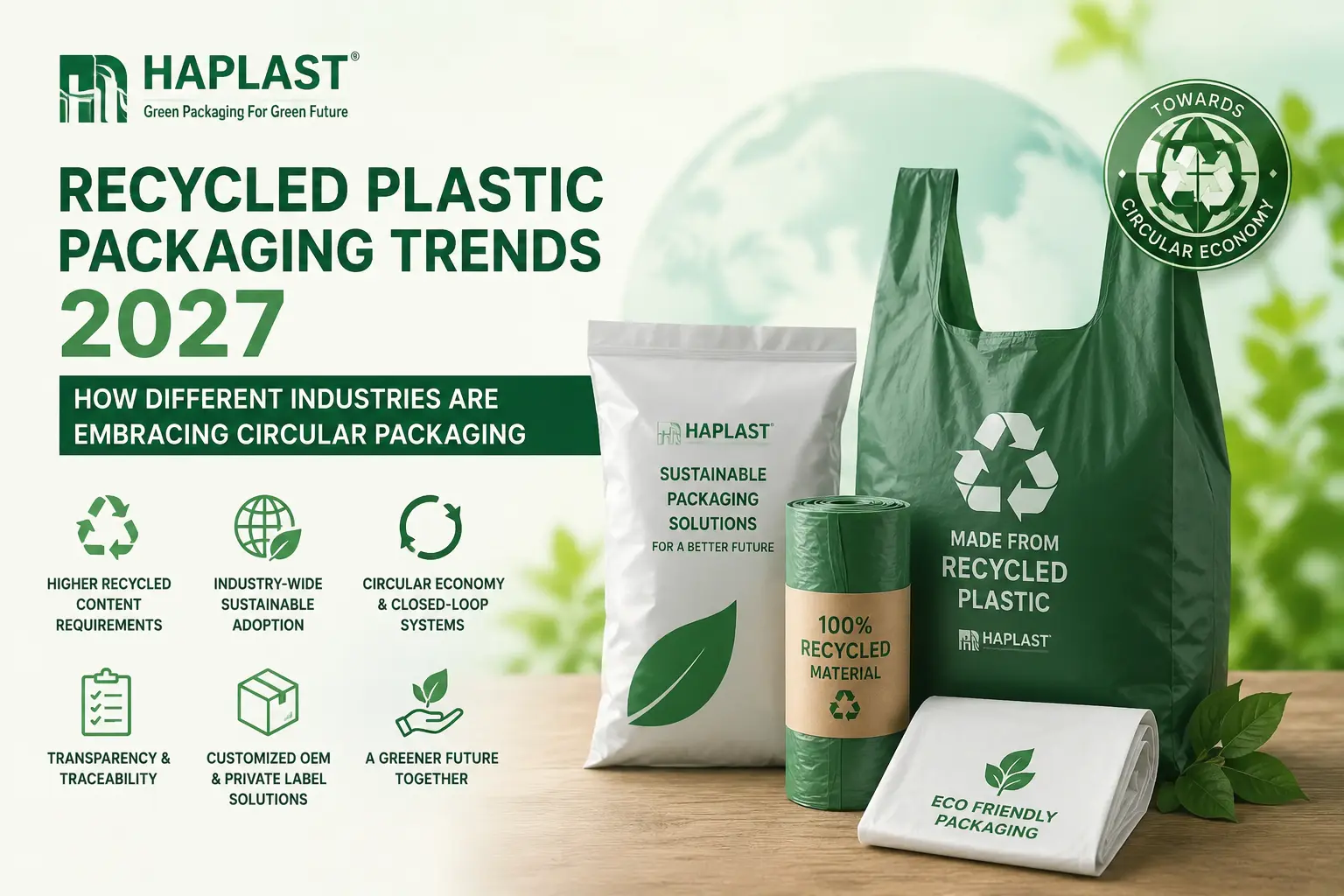
The packaging industry is entering a new era where sustainability is no longer optional. In 2027, recycled plastic packaging is expected to play an even greater role as governments tighten environmental regulations, businesses strengthen ESG commitments, and consumers increasingly favor eco-conscious brands.
Across industries—from retail and logistics to healthcare and agriculture—companies are replacing conventional plastic packaging with recycled alternatives that support circular economy goals while maintaining product performance.
Below are the key trends shaping the recycled plastic packaging market in 2027.
1. Increasing Demand for High-Recycled-Content Packaging
Packaging regulations around the world are becoming more demanding. New policies, including the EU Packaging and Packaging Waste Regulation (PPWR), encourage manufacturers and brand owners to increase the percentage of recycled materials used in packaging.
To meet these requirements, businesses are prioritizing packaging made from certified post-consumer recycled (PCR) materials, ensuring both regulatory compliance and stronger environmental performance.
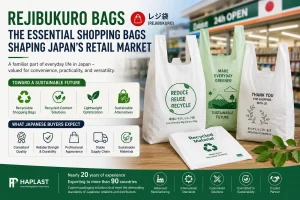
2. Sustainable Shopping Bags Continue to Replace Conventional Plastic Bags
Retailers are accelerating the transition toward environmentally responsible packaging solutions.
Recycled plastic shopping bags are now widely used in:
- Supermarkets
- Convenience stores
- Retail chains
- Fashion stores
- Promotional campaigns
Beyond reducing virgin plastic consumption, these bags help brands strengthen their sustainability image while responding to changing consumer expectations.
3. E-commerce Packaging Becomes More Sustainable
As global e-commerce continues to expand, businesses are seeking packaging solutions that reduce environmental impact without compromising product protection.
Popular recycled packaging products include:
- Poly mailers
- Courier bags
- Return shipping bags
- Custom-branded mailing bags
Durability, lightweight design, and lower carbon emissions remain key priorities for online retailers.
4. Agriculture and Food Packaging Embrace Recycled Materials
The agricultural sector is increasingly incorporating recycled plastic packaging into daily operations.
Common applications include:
- Produce bags
- Packaging liners
- Agricultural films
- Food transport packaging
Modern recycled PE materials provide excellent moisture resistance, helping preserve freshness while supporting sustainability initiatives.
5. Healthcare Industry Expands Sustainable Waste Packaging
Hospitals, laboratories, and healthcare providers are placing greater emphasis on environmentally responsible waste management.
Demand continues to rise for:
- Medical waste bags
- Laboratory sample bags
- Protective packaging
- Biohazard collection bags
Manufacturers are therefore investing in high-quality recycled materials that deliver reliable performance while meeting strict hygiene and traceability standards.
6. Circular Manufacturing Gains Momentum
More packaging manufacturers are adopting closed-loop recycling systems.
In this model, used plastic materials are collected, recycled into new resin, and converted into new packaging products.
The benefits include:
- Lower plastic waste generation
- Reduced dependence on virgin materials
- Better material traceability
- Reduced greenhouse gas emissions
- Support for long-term circular economy strategies
7. Transparency and Product Traceability Become Essential
Today’s global buyers expect more than quality products—they also require complete transparency throughout the supply chain.
Packaging suppliers increasingly need to provide:
- Technical Data Sheets (TDS)
- Material Safety Data Sheets (MSDS)
- Declaration of Conformity (DOC)
- Carbon footprint information
- Recycled material certification
Companies capable of delivering comprehensive documentation will enjoy stronger competitive advantages in international markets.
8. Customized Packaging Solutions Continue to Grow
Every business has unique packaging requirements.
As a result, demand for flexible manufacturing services continues to increase, including:
- OEM manufacturing
- ODM development
- Private label production
- Custom printing
- Flexible order quantities
Packaging suppliers that combine customization with stable production capacity are becoming preferred long-term partners for international brands.
Why Vietnam Is Becoming a Preferred Manufacturing Base
Vietnam has established itself as one of Asia’s fastest-growing packaging manufacturing hubs.
International buyers are increasingly sourcing recycled plastic packaging from Vietnam because of:
- Competitive manufacturing costs
- Experienced export-oriented factories
- Advanced production technologies
- Growing recycling capabilities
- Flexible OEM and ODM services
- Stable global supply chains
These advantages make Vietnam an attractive destination for businesses seeking reliable, sustainable packaging partners.
Frequently Asked Questions
What is recycled plastic packaging?
Recycled plastic packaging is manufactured using recycled plastic materials—primarily post-consumer recycled (PCR) resin—to reduce reliance on virgin plastics and support circular economy initiatives.
Which industries benefit most from recycled plastic packaging?
Industries including retail, logistics, agriculture, food processing, healthcare, manufacturing, and e-commerce all increasingly utilize recycled plastic packaging.
What does PCR mean?
PCR (Post-Consumer Recycled) refers to plastic materials recovered from consumer waste, processed, and transformed into new packaging products.
Why is recycled packaging becoming more important?
Stricter environmental regulations, corporate ESG goals, and growing consumer awareness are driving global demand for sustainable packaging solutions.
Can HAPLAST manufacture customized recycled packaging?
Yes. HAPLAST offers OEM, ODM, and private-label manufacturing services for recycled plastic packaging with flexible specifications, custom printing, and scalable production capacity.
Why Choose HAPLAST?
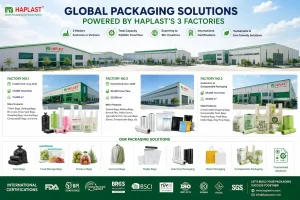
With nearly two decades of manufacturing experience, HAPLAST supplies high-quality recycled plastic packaging to customers across global markets.
Our production capabilities include solutions for:
- Retail packaging
- E-commerce packaging
- Agricultural packaging
- Industrial packaging
- Medical waste bags
- Customized plastic packaging
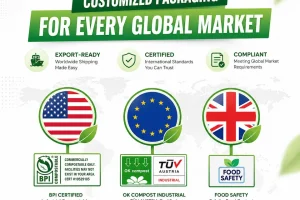
International Certifications
- GRS (Global Recycled Standard)
- RCS (Recycled Claim Standard)
- ISO 9001:2015
- BSCI Compliance
- Food-contact compliance for EU and US markets
Flexible Manufacturing
- OEM & ODM services
- Private label production
- Custom sizes and printing
- Flexible MOQ
- Stable production capacity
- Competitive factory-direct pricing
As sustainability becomes a core business priority, choosing an experienced packaging manufacturer can help your company meet regulatory requirements while improving environmental performance.
Partner with HAPLAST to develop reliable, customized, and sustainable recycled plastic packaging solutions for your global business.