The Ultimate Guide to Compostable T-Shirt Bags: A Smarter, Greener Choice
Every time you grab a plastic bag at the grocery store or market, it’s easy to forget where it ends up. Most plastic bags used today take hundreds of years to decompose, contributing to landfill overflow, ocean pollution, and wildlife harm. That’s why an increasing number of consumers and businesses are turning to compostable T-shirt bags — a sustainable, planet-friendly alternative.
In this guide, we’ll break down what compostable bags are made from, how they work, how they differ from other “eco” options, and why making the switch isn’t just trendy — it’s necessary. We’ll also include data charts and comparisons to help you see the bigger picture.
What Are Compostable T-Shirt Bags Made Of?
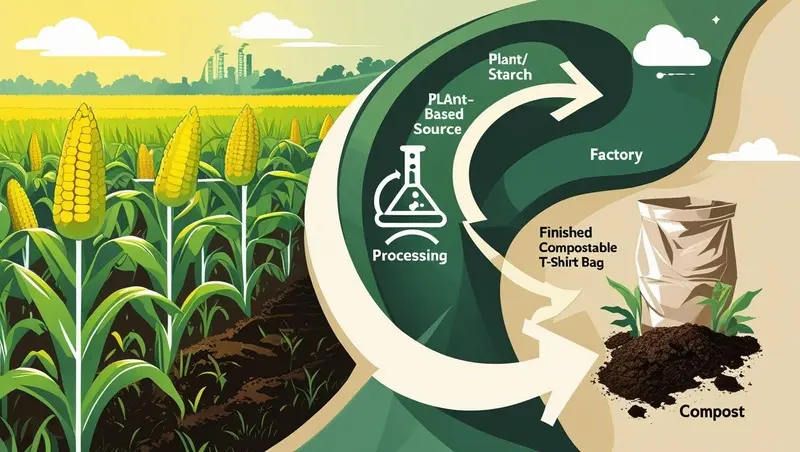
Unlike regular plastic bags made from petroleum, compostable bags are crafted from renewable, plant-based materials. Their strength and performance come from a specialized mix of bioplastics:
- PLA (Polylactic Acid): A plant-based polymer derived from fermented sugars in corn, sugarcane, or sugar beets.
- PBAT (Polybutylene Adipate Terephthalate): A petroleum-based, yet fully biodegradable and compostable polymer providing flexibility and toughness.
- Cornstarch or Tapioca Starch: Acts as a filler and accelerates biodegradation.
This combination ensures the bag can carry groceries or retail items reliably — but under industrial composting conditions, it breaks down completely into non-toxic, organic matter.
How Long Do They Take to Decompose?
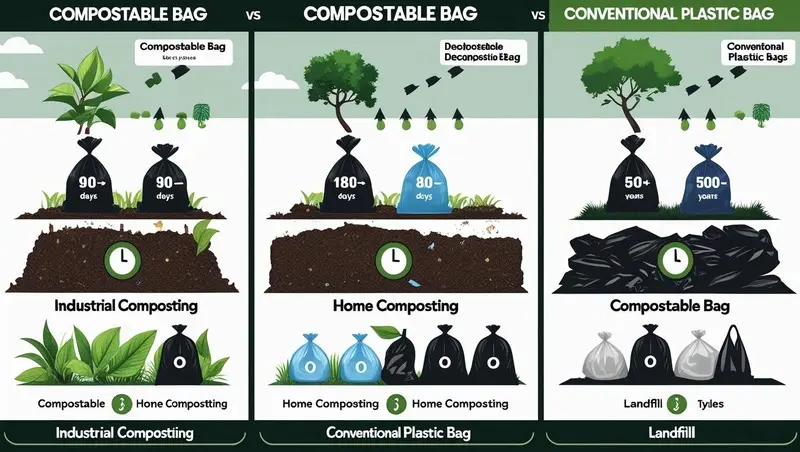
Decomposition times vary significantly depending on the disposal environment:
| Material | Industrial Composting | Home Composting | Landfill |
|---|---|---|---|
| Compostable T-shirt Bag (PLA/PBAT blend) | 90-180 days | 180-360 days | Indefinite |
| Conventional Plastic Bag | 500+ years | 500+ years | 500+ years |
To realize their eco benefits, these bags need to be disposed of in composting facilities, where heat, moisture, and microbial activity speed up decomposition.
Global Market Consumption: Compostable vs. Plastic Bags
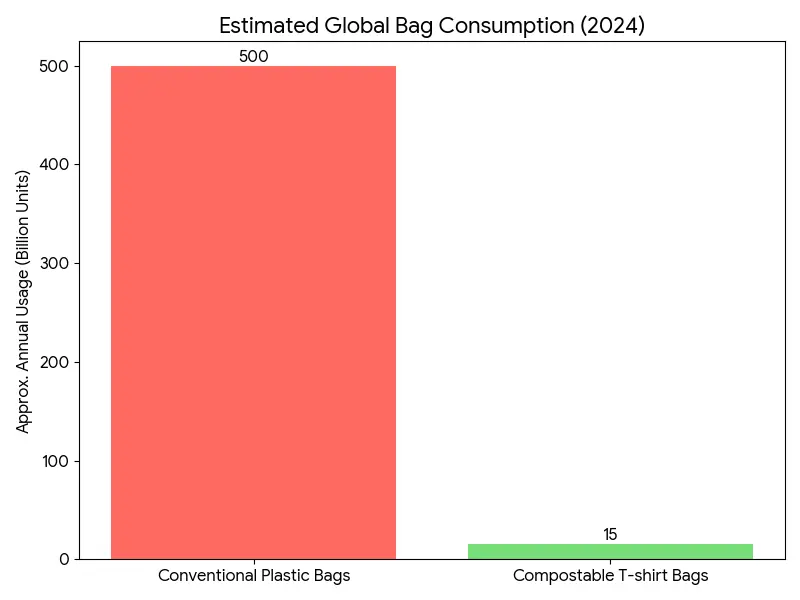
As global environmental policies tighten, demand for compostable packaging is steadily growing. Here’s a snapshot:
Estimated Global Bag Consumption (2024)
| Type | Approx. Annual Usage (Billion Units) |
| Conventional Plastic Bags | 500 |
| Compostable T-shirt Bags | 15 |
While compostable bags currently occupy a small market share, usage has grown over 400% in the past 5 years — a trend expected to continue as bans on single-use plastics expand.
Compostable vs. Biodegradable: What’s the Real Difference?
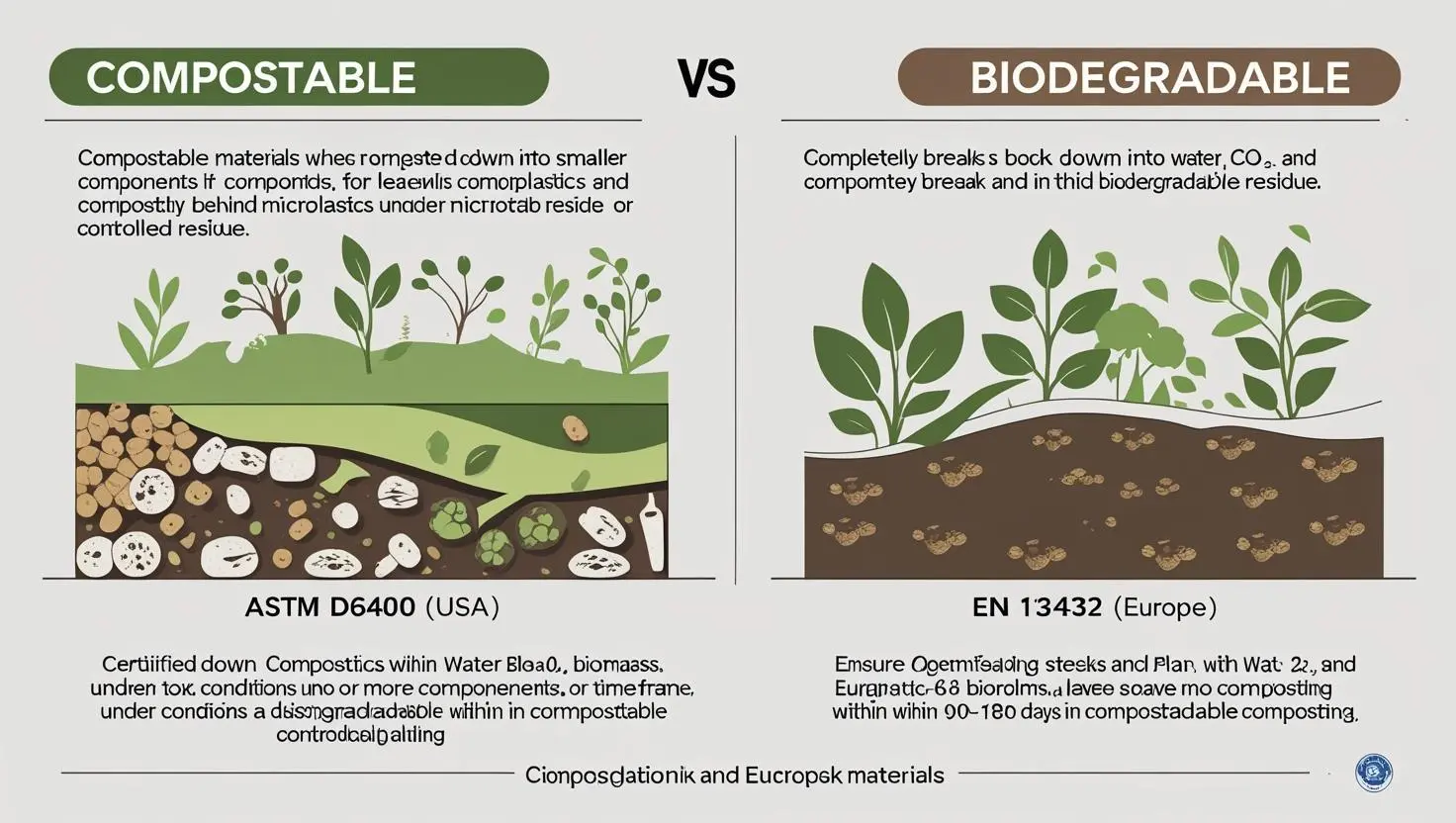
It’s crucial not to confuse these terms:
- Biodegradable: Breaks down over time but may leave toxic residues or microplastics.
- Compostable: Breaks down fully into water, CO₂, and biomass within a specified timeframe under controlled composting conditions, leaving no harmful residue.
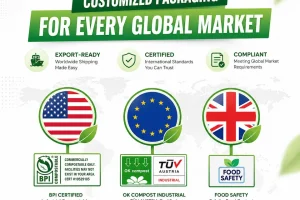
Key Certification Standards:
- ASTM D6400 (USA)
- EN 13432 (Europe)
These standards ensure the material disintegrates within 90–180 days in industrial composting.
Environmental Benefits of Compostable T-Shirt Bags
Switching to compostable bags offers tangible environmental gains:
- Reduces Plastic Waste: Prevents persistent plastic waste in landfills and oceans.
- Lower Greenhouse Gas Emissions: Production of PLA emits fewer CO₂ emissions than petroleum-based plastics.
- Soil Enrichment: Compostable bags decompose into humus, returning nutrients to the soil.
- Safe, Non-Toxic Breakdown: Leaves no harmful chemicals or microplastics.
How to Dispose of Them Properly
For compostable T-shirt bags to deliver their environmental promise, proper disposal is critical:
- Industrial Composting Facility: Ideal environment (high heat and controlled moisture) for full decomposition.
- Home Compost Bin: Slower but still effective with thinner bags.
- Not for Recycling Bins or Landfills: These environments lack the conditions needed for breakdown.
Pro Tip: Always check your local waste management guidelines.
Conclusion: Why It Matters
Every small choice adds up. By switching to certified compostable T-shirt bags, businesses and consumers can significantly reduce plastic waste and lower their carbon footprint. While the market is still catching up, global demand for compostable packaging solutions is on the rise — and your choice today makes a difference for tomorrow.